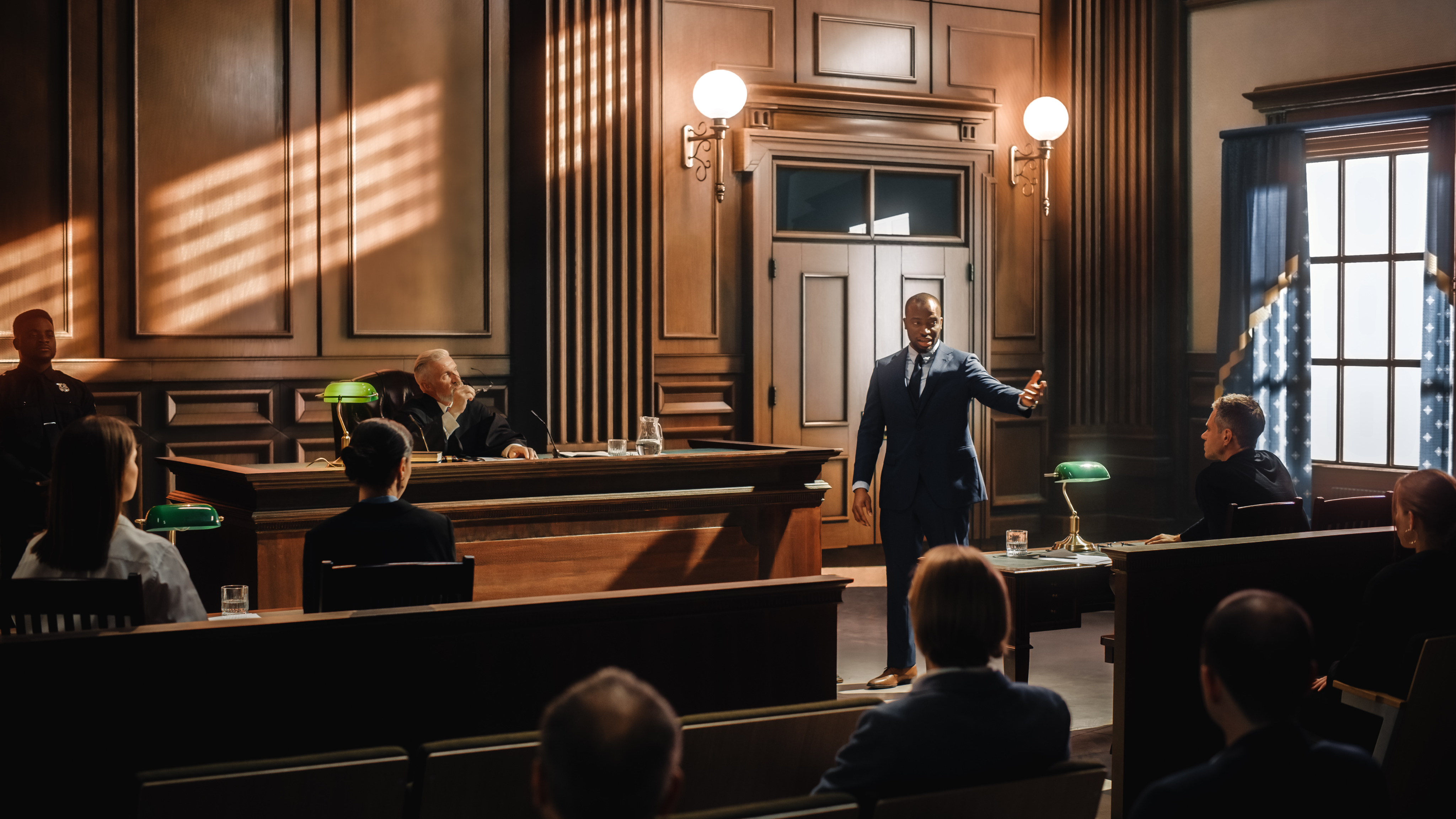
As Artificial Intelligence (AI) permeates the U.S. legal landscape, a fundamental question arises: is this technology diminishing the legal profession or refining it? While critics fear that automation might erode the core skills of an attorney, a closer analysis suggests that AI does not make us "less" of a lawyer. Instead, it strips away the mechanical burdens of the job, allowing for a more efficient, strategic, and ethically robust practice.
Historically, a significant portion of an attorney's billable hours was spent on "mechanical" tasks: manual document review, initial drafting, and tedious case law searches.
So these are some benefits:
- The "Efficiency" Argument: By utilizing AI for these tasks, lawyers are not doing less; they are doing more of what matters. Instead of spending ten hours finding a needle in a haystack of precedents, the attorney can spend those ten hours synthesizing the "why" and "how" of a winning legal theory.
- The High-Level Shift: AI shifts the lawyer's role from an information processor to a strategic architect. In the U.S. adversarial system, the value of a lawyer lies in their judgment, empathy, and advocacy—qualities AI cannot replicate.
The American Bar Association (ABA) Model Rule 1.1 requires lawyers to provide "competent representation," which includes keeping abreast of changes in the law and its practice, including the benefits and risks associated with relevant technology.
- Reducing Human Error: AI tools can identify inconsistencies in contracts or missing citations in a brief that the human eye might miss after a long day. In this sense, AI makes a lawyer more effective by serving as a high-speed quality control layer.
- Equalizing the Playing Field: Small firms and solo practitioners can now leverage AI to perform research that previously required the massive resources of "Big Law" firms. This democratizes legal excellence and enhances the efficiency of the entire bar.
The Risk of "Automated Practice" vs. Professional Judgment
The danger of becoming "less" of a lawyer only exists if the practitioner abdicates their professional judgment.
Just as a senior partner must supervise an associate, a lawyer must supervise the AI. Relying blindly on an AI-generated brief without verifying citations (a lesson learned from recent sanctions in federal courts) is where effectiveness fails.
Or in a negotiation, courtroom presence, and client counselling require emotional intelligence. A lawyer who uses AI to handle the "data" becomes more available to handle the "human" element of the law, which is the essence of the profession.
The use of AI does not dilute the legal profession; it distils it. By automating the routine, lawyers can return to the intellectual and ethical roots of their calling. Those who master AI will not be "lesser" lawyers; they will be the most efficient and effective advocates in the history of the American legal system. The gavel remains in human hands, but the arm that wields it is now significantly stronger.